Why Do Live Dealer Games Feel Less Random Even When the Odds Are Fixed?
A live dealer game often looks more predictable than a digital slot or roulette game, even when its underlying probabilities are fixed. You can see the cards being dealt, watch the wheel slow down and hear the dealer announce what happened. That visible sequence gives the mind more to hold on to than an animation or a result generated on screen. It can make the outcome feel understandable—and sometimes less random—without changing the odds.
The distinction matters. In a properly operated casino game, the rules and probabilities determine the range of possible outcomes, not the fact that a person is on camera. A visible dealer does not make a losing result less likely, and a round that seems to “follow a pattern” does not prove that the next one will continue it. What changes is the experience of randomness: how players see, interpret and remember each result.
To understand why, it helps to compare live casino with RNG-based games, look at how streaming has trained us to expect interaction, and separate player decisions from game outcomes. It also helps to notice what the lobby and table actually show before assuming that a polished production means improved chances.
First, What Does the Player See?
Open a live casino lobby and the first impression is usually a grid of tables or game tiles. Each one may show a dealer, a game name, a thumbnail, and sometimes a seat count or a limit range. On a phone, that information has to fit on a small screen. The practical task is simple: find a table, check the limits, and join without losing your place if a message arrives or the connection stutters.
With a service such as mrq live casino, the live lobby available on mobile is the doorway to the streamed games. The lobby can help you choose a format and get to a table, but it does not change the mathematics of the game. A familiar dealer, a busy table or a slick interface is part of the presentation—not evidence that one outcome is more likely than another.
That first-screen experience is important because it frames the game before the first card or spin. A live table looks like an event taking place in real time. An RNG-based game usually presents a designed interface in which the result appears quickly. The difference in presentation can change how an outcome feels, even when the probabilities are governed by defined rules in both cases.
RNG vs Live: Two Different Ways of Showing an Outcome
RNG stands for random number generator. In an RNG-based casino game, software uses a randomisation process to select outcomes according to the game’s rules and configured probabilities. The graphics then show the result. Depending on the format, a spin or hand may be over in seconds, with little visible process between the player’s action and the displayed result.
A live dealer game uses a streamed physical setup. A dealer may shuffle and deal cards, or a wheel may be spun and allowed to settle. The player sees more of the process and waits while it unfolds. The source of the visible action is different, but that does not mean the odds are “better” or “worse” by default. Any comparison needs specifics: the exact game rules, payout structure, table limits and, where relevant, published return information. Broad claims about better odds are meaningless without those details.
What the player notices RNG-based game Live dealer game How the result appears Software animation or a digital result screen A streamed physical action, such as dealing or spinning Time between decision and result Often short, depending on the game Usually includes a visible round, dealer actions and pauses Player’s sense of process May focus on buttons, reels or a result display May follow the dealer, cards, wheel and other players’ activity Effect on the odds Set by the game’s rules and probabilities Also set by the specific game’s rules and probabilitiesThis comparison is about presentation, not a universal statement about how every game is built or regulated. Different titles have different rules. The useful point is that a visible process gives the player more sensory information, but more information on screen does not automatically mean more influence over the outcome.
Why Visible Action Can Feel Less Random
People are good at finding order in sequences. We notice repeated numbers, a run of red results, a dealer’s rhythm or a card that appears after a familiar pause. In a live stream, those details have movement, sound and context. That makes them easier to remember than a series of abstract digital outcomes.
But noticing a pattern is not the same as identifying a predictive one. If a roulette result lands on black several times, the previous spins do not, by themselves, make red “due” on the next spin. If a card game produces a surprising hand, the surprise may be vivid without changing the probability of the next hand under the game’s rules. This is one reason perceived randomness can diverge from mathematical probability.
Live play also supplies a human story. The dealer turns a card, pauses, smiles or announces a result. That creates a sequence with a beginning and an end, rather than a result that seems to appear from a machine. The sequence can feel causally connected: the player watches the action and sees the outcome emerge from it. In an RNG game, the process is less visible, so some players experience the result as more arbitrary or opaque.
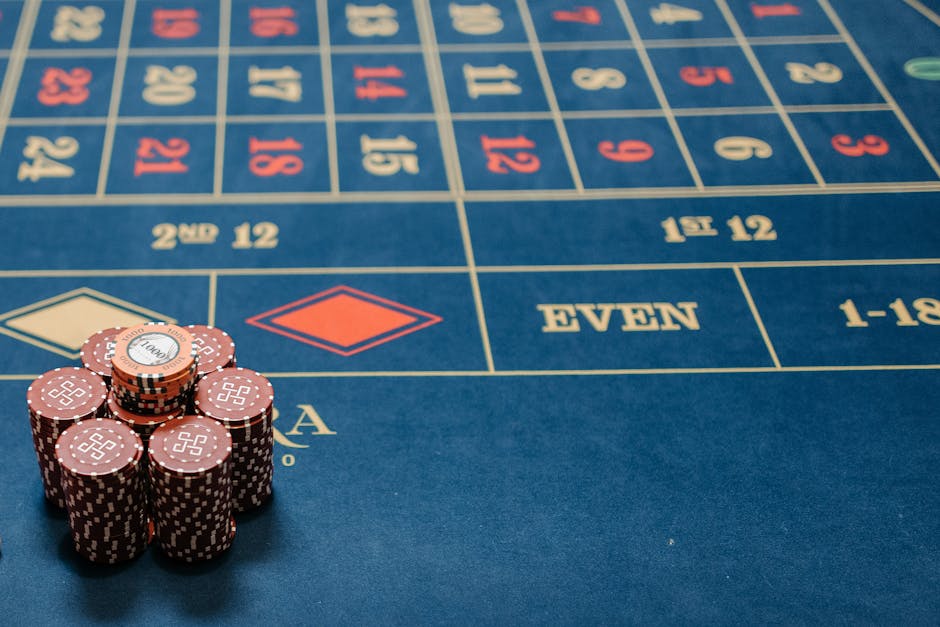
Neither feeling is a reliable guide to the odds. A physical-looking event is not automatically easier to predict, and a digital result is not automatically less random. The difference is in what the player can observe and how the mind interprets it.
Trust in Live Dealer: Seeing the Process Is Not the Same as Controlling It
Trust in live dealer often comes from visibility. A player can watch cards leave a shoe or see a wheel complete its spin. This may answer a basic question—“What happened?”—more directly than a fast animation. It can also make the game feel accountable because there is a dealer and a camera showing the round.
However, visibility has limits. A stream is still a camera view selected and delivered through a platform. The player does not stand at the table, handle the cards or inspect the equipment. The broadcast can provide a view of the round, but it cannot establish every fact about the game or its operation on its own. Trust should be grounded in the operator’s licensing, published rules, responsible-gambling information and relevant game controls, rather than in production polish alone.
It is also worth separating trust in the process from belief in a winning streak. A clear view of a dealt card may help a player follow the round; it does not make the next card more likely to suit a particular bet. Live presentation can make outcomes feel less hidden, but it does not turn chance into certainty.
Interactivity Changes the Feeling, Not Necessarily the Result
Live tables can involve choices such as placing a bet, selecting a betting area, choosing an available decision in a card game, or using chat features where offered. These actions make the player feel involved in the round. In some games, a decision genuinely affects the player’s strategic options. In others, interaction is mostly about timing and selection.
The key distinction is between decision-making and control over randomness. Choosing when to place a bet may determine which round a player joins. Choosing a permitted action in a game may change the available path through that hand. Neither necessarily changes the underlying probability of the physical event or the game’s payout rules.
This matters especially when the interface encourages quick decisions. A player on mobile may be fitting in a short session, switching between apps, or dealing with spotty Wi-Fi. A button press can feel consequential because it is immediate and personal. If the stream lags, the player may also be unsure whether a bet registered or whether a round has moved on. Checking the table status and rules is more useful than assuming that a delayed screen has changed the outcome.
- Participation: The player chooses whether and when to join a round.
- Game decisions: Some formats offer decisions that affect how a hand is played.
- Outcome probability: The rules and probabilities still define what results are possible and how they pay.
- Presentation: Chat, dealer interaction and camera angles can make the session feel more social without changing the odds.
Streaming Expectations Have Changed the Experience
People now watch streams, live sports, creator broadcasts and interactive entertainment on the same devices they use for games. They expect a camera to show the action, an interface to respond quickly and a live event to feel shared. Casino streams fit into that broader habit. A dealer on screen, real-time narration and a visible table can feel familiar to anyone used to watching live content.
Coverage from entertainment outlets such as Variety reflects how audiences increasingly encounter media across formats and screens. That wider streaming culture helps explain why a live dealer product can feel more like an ongoing broadcast than a conventional digital game. Players are not just receiving a result; they are watching a host guide an event in real time.
That expectation can raise the sense of presence. A dealer addresses the camera, the table has a pace, and other players may appear to be participating. Yet streaming also introduces practical differences from being in a physical venue. The player sees only the available camera angles, relies on a network connection, and interacts through on-screen controls. It is a mediated experience, not an identical substitute for sitting at a table.
On mobile, those differences are especially noticeable. A short session may be interrupted by a call, a notification or a weak signal. Video quality can drop, audio may be muted, and a player may miss a piece of commentary while still seeing the round. A thoughtful mobile experience should make the current state clear, but the player should not treat a smooth stream as proof of improved odds—or a choppy one as evidence that a result has changed.
Game Show Production Values: More Theatre, Same Need for Clear Rules
Some live casino formats borrow the language and look of television game shows: a host, bright graphics, music, a central wheel or another prominent visual feature. The format can make each round feel like a segment in a programme rather than a simple bet-and-result sequence. It adds suspense through pacing, sound and presentation.

Production values can affect attention. A host’s commentary draws the eye; a sound cue makes a result feel significant; a countdown encourages a decision before the betting window closes. These elements are not proof that outcomes are manipulated or more predictable. They are part of how the game is presented. The player still needs to understand the rules, available bets, payout terms and timing.
Here, too, it is useful to avoid vague claims. “More exciting” describes a reaction, not a probability. “More transparent” should be explained in terms of what can actually be seen or checked. “Better odds” requires a specific comparison between named games and their published rules. Production can make a format engaging, but it cannot replace that information.
How to Read Randomness Without Chasing Patterns
If a live game feels less random, it may be because you fameimpact.com are watching the steps that lead to a result. That can be a satisfying experience. The safest way to interpret it is to keep the visible theatre separate from the mathematical structure.
- Read the rules before playing. Check the available bets, decisions, payout terms and round timing for the specific game.
- Do not treat recent results as a forecast. A short sequence can look meaningful without predicting the next outcome.
- Separate strategy from chance. A choice may affect how you play a hand without guaranteeing a particular result.
- Use the lobby to compare formats, not to infer value. A popular table or polished thumbnail is not evidence of better odds.
- Allow for mobile interruptions. Check that a bet has registered and understand what happens if your connection drops or the screen pauses.
It can also help to set a time and spending limit before starting. Live rounds have a visible pace, and the human interaction can make it easy to stay longer than intended. Taking a break is a sensible response if play stops feeling like entertainment.
The Short Answer
Live dealer games can feel less random because players see a physical sequence, hear a host and make decisions in a shared, timed environment. That process gives outcomes a story and makes individual results easier to remember. RNG-based games often present outcomes more abruptly, which can make them feel more mechanical or opaque.
But the feeling is not the mathematics. In both live and RNG formats, the specific game rules and probabilities determine the odds. A visible dealer may make the process easier to follow, while a stream, a game-show set or a mobile lobby may make the experience feel more social and immediate. None of those things, by themselves, makes a result predictable.
So when comparing rng vs live, ask two separate questions: “How is this game presented?” and “What do its rules say about the odds?” Keeping those questions apart makes it easier to enjoy the interaction without mistaking atmosphere for influence—and to understand perceived randomness for what it is: a feature of how people experience chance, not a change to chance itself.