What Outfit Details Match a Classic Casino Interior?
A classic casino interior has a recognizable visual vocabulary: polished stone, patterned carpet, reflective metal, rich upholstery and carefully arranged light. It can suggest occasion without requiring a visitor to dress like a character from a film. The most convincing outfit is usually not a miniature version of the room. It is a considered response to it: a clear silhouette, one or two tactile details, and enough restraint to let both the clothes and the setting breathe.
That distinction matters. Casino glamour is often reduced to sequins, tuxedos and an excess of sparkle. But the interiors that feel most memorable tend to rely on balance. They guide the eye through a space, use contrast to create emphasis and make decorative choices serve a larger composition. Dressing for that atmosphere works in much the same way. A sharply cut jacket, a satin dress texture or a simple jewelry finish can echo the room’s polish without turning an outfit into a costume.
Casino glamour is a visual vocabulary, not a dress code
The classic casino image is familiar because it draws on a handful of strong visual cues: symmetry, shine, saturated color, rich materials and a sense of ceremony. The Casino de Monte-Carlo, for example, is widely associated with ornate architecture and formal interiors. Its appeal is not simply that every surface is extravagant; it is that details such as decorative moldings, chandeliers and patterned finishes belong to a coherent setting.

That coherence is a useful guide to personal style. Rather than copying a room literally, choose one visual idea to answer. A dark, tailored outfit can pick up the contrast of a pale stone floor. A smooth fabric can relate to the reflective quality of polished brass. A jewel-toned accessory might recall an upholstered wall or a colored glass detail. The relationship can be subtle. It should register as considered rather than themed.
Casino glamour also changes with context. A historic venue, a contemporary hotel casino and a digital casino screen do not present the same atmosphere, and none dictates a single way to dress. A film-inspired look may be fun for a special event, but movie casino styling is not a dress code. The better question is what level of formality feels appropriate for the occasion and comfortable for the person wearing it.
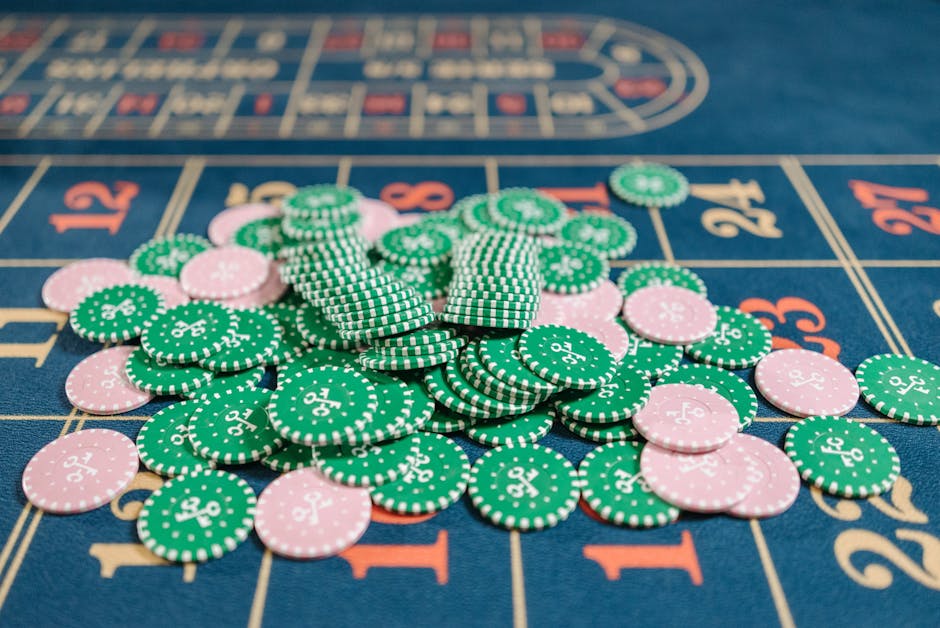
Read the room before choosing the outfit
Interior design creates occasion through more than ornament. Scale, circulation, material and light all help determine whether a room feels formal, relaxed or theatrical. A large entrance hall may call for a more defined silhouette; a smaller lounge might make a softer outfit feel more at home. Before deciding on shine or color, notice how the space is organized.
Materials create the first impression
Stone, velvet, lacquer, glass and metal each carry a different visual weight. When several appear together, contrast keeps the room from becoming visually monotonous. Clothing can use the same principle: combine a matte surface with a smoother or more reflective one, rather than asking every piece to compete for attention.
A sharply cut jacket is especially effective in a setting with elaborate detailing. Its clean lines provide a quiet counterpoint to carved surfaces, patterned flooring or decorative lighting. It can also make a simple base layer feel deliberate. Look for fit at the shoulder and a shape that allows comfortable movement; the point is definition, not stiffness.
For evening wear, satin dress texture offers another kind of response. Satin catches light along its folds, so its effect changes as the wearer moves. That makes it a natural companion to polished interiors, but it does not need extra embellishment to make its presence known. A simple cut and a considered color can give the fabric room to do its work.
Color can echo without matching
Matching an outfit exactly to a room’s palette can look overly planned, particularly in photographs. A looser connection is often more elegant. Pick a color that sits alongside the interior’s dominant tones: deep green near warm wood, ivory near dark stone, or a muted metallic detail against a saturated backdrop. Neutrals can be just as expressive as bright colors when their texture and shape are clear.
Think of color as a way to establish a focal point. If the outfit has a vivid dress or jacket, keep accessories quieter. If the clothing is mostly neutral, a single colored detail can supply emphasis. This follows the same visual logic used in interiors: not every element needs to be a feature.
Use visual hierarchy to keep the outfit legible
A well-designed room offers the eye a route. An entrance, a central feature and smaller details help people understand where to look and how to move. An outfit can have a similar hierarchy. One element leads; the others support it.
- Choose a lead detail. This might be a strong jacket line, a satin finish, an interesting neckline or a distinctive shoe.
- Add supporting pieces. Keep the remaining clothing and accessories in a compatible scale and level of shine.
- Leave visual space. A clean neckline, an uncluttered wrist or a simple bag can stop the look from feeling crowded.
This is where the simple jewelry finish earns its place. Jewelry can add a fine glint or a touch of color, but it does not need to repeat every reflective surface in the room. A small pair of earrings, a slim bracelet or one restrained pendant may be enough. The finish should sit comfortably with the outfit’s materials: brushed metal beside matte cloth, for example, or a polished piece against a simple neckline.
Consider proportion as well as ornament. A busy, patterned interior can make a sleek outfit feel especially clear. Conversely, a relatively plain room may give a more textured garment space to register. That does not mean the clothing must be plain in one setting and elaborate in another. It means the whole scene is part of the composition.
Movement matters as much as the mirror
People do not experience an interior from a single still image. They enter, pause, walk, turn and sit. The same is true of clothing. A skirt’s movement, a jacket’s ability to stay in place and the comfort of shoes all shape how the outfit reads over the course of an evening.
That practical side is easy to overlook when styling is treated only as a photo opportunity. A beautiful detail that catches on a chair, restricts movement or needs constant adjustment is not serving the wearer well. In a room with a lot to notice, comfort also helps someone take in the architecture rather than spend the evening managing their clothes.
For a formal look, check the outfit while moving, not only while standing still. Walk a few steps, sit down, and see whether the fabric falls as intended. If a jacket is sharply tailored, make sure its structure does not limit reach. If a dress has a satin dress texture, check how it behaves under different lighting and whether it feels comfortable against the skin. The most successful outfit details are visible without being a distraction.
Lighting, reflection and restraint
Casino interiors often use layered lighting to give depth to a room. A chandelier may establish a focal point, while wall lights and concealed sources soften the edges. Materials respond differently: polished metal can produce a sharp glint; velvet absorbs more light; satin shifts as the angle changes. That variety is part of the atmosphere.
When dressing for such a space, it helps to know which details will catch the eye. A reflective shoe, glossy bag, satin garment and statement jewelry can all be attractive individually, but together they may create too many competing highlights. Select one or two. Let the rest of the outfit provide structure.
There is no need to describe every casino interior as “luxurious.” Some are grand, some are contemporary, and some lean into color or pattern rather than opulence. The more useful observations are specific: the room uses dark wood against pale stone, a repeated geometric motif, or a central ceiling feature. Specificity leads to better styling choices than a general instruction to look glamorous.
From a full room to a phone screen
Digital casino presentation compresses the experience of a venue. On a phone, a viewer may see a game interface, a promotional image or live studio broadcasts in a narrow frame. follow this link Fine details that are clear in a large room can disappear on a small screen; high contrast, strong outlines and a clear focal point tend to remain legible.
This is a useful distinction for outfit inspiration. A sharply cut jacket reads clearly because its outline is easy to recognize. A satin dress texture may show through highlights and movement, but subtle stitching or tiny embellishments may not. A simple jewelry finish is often more effective than a cluster of small reflective details when the image is viewed at reduced size.
For people accessing an online casino such as MrQ, phone browser access can provide a way to view the experience without a required app download. The screen, however, is still a limited design surface. A mobile layout has to prioritize the essential information and make controls easy to identify. Decoration that steals space from usability is not a design win, whether it appears on a screen or in a room.
That principle also applies to live studio broadcasts. The camera frames a controlled portion of a set, so background elements need to establish atmosphere without overwhelming the action. Lighting, backdrop, furniture and on-screen graphics are arranged for a particular view. What appears richly detailed in the studio may be simplified on a phone, where the visual hierarchy has to work at a smaller scale.
Coverage of design and lifestyle across outlets such as CNA Luxury (Channel NewsAsia) can offer another way to think about these environments: not as a uniform template, but as places where architecture, materials and presentation shape an experience. The screen version is a translation, not a full substitute for standing in the room. Keeping that distinction in mind helps avoid overreading a thumbnail or broadcast frame as the whole design.
A practical outfit formula
For a classic casino-inspired look, start with a clear base and choose one detail that speaks to the setting. These combinations offer direction rather than rules:
Starting point Detail to emphasize Why it works Tailored trousers and a plain top A sharply cut jacket Its clean outline balances ornate surroundings and gives the outfit structure. A simple evening dress Satin dress texture The fabric responds to movement and light without requiring heavy decoration. A monochrome or neutral outfit A simple jewelry finish A restrained glint adds definition while keeping the overall look easy to read. A patterned or brightly colored piece Quiet accessories One clear focal point prevents competing details from crowding the outfit.Before heading out, use a short check:
- Does the outfit suit the event and venue, rather than an imagined movie scene?
- Is there one main feature, with the other details supporting it?
- Can you move, sit and walk comfortably?
- Do the materials and accessories feel balanced under the likely lighting?
- Would the outfit still feel like yours if the setting were less ornate?
The lasting appeal of a considered detail
Classic casino glamour works because it combines confidence with order. The rooms may be decorative, but their strongest visual effects usually depend on hierarchy: a focal point, supporting elements and enough space for each to register. An outfit can follow the same logic without copying the room or leaning on clichés.
A sharply cut jacket gives definition. Satin dress texture adds movement and a measured response to light. A simple jewelry finish offers polish without turning every surface into a highlight. Choose the detail that feels most natural, then let the rest stay clear. Whether the setting is a historic casino, a contemporary lounge or a live studio seen on a phone, the best styling is not the loudest. It is the styling that belongs in the moment and still leaves room to enjoy everything around it.