What Does It Mean to Synchronize Multiple Camera Feeds?
In the fast-evolving world of live video production, especially in multi-camera studio environments, ensuring camera feed sync has become more critical than ever. Whether you're broadcasting a live sports event, streaming a complex talk show, or delivering real-time content on mobile platforms like online casino apps and mobile websites, synchronization is the bedrock of a stable, professional output.

Let’s unpack what it means to synchronize multiple camera feeds, why timing alignment matters intensely, and how factors like lighting, encoding, and mobile-first streaming constraints come into play. We’ll also spotlight insights from key industry players like Hardware Times, MRQ (mrq.com), and standards laid down by the Society of Motion Picture and Television Engineers (SMPTE).
Why Synchronize Multiple Camera Feeds?
Synchronization is about making sure that all video streams from various cameras remain in lockstep, both in timing and visual characteristics. When multiple camera feeds are combined, either for live switching or post-production, any lag, jitter, or misalignment ruins the viewer experience, causes disorientation, and breaks the illusion of a seamless narrative flow.
At the the core, camera feed sync ensures:
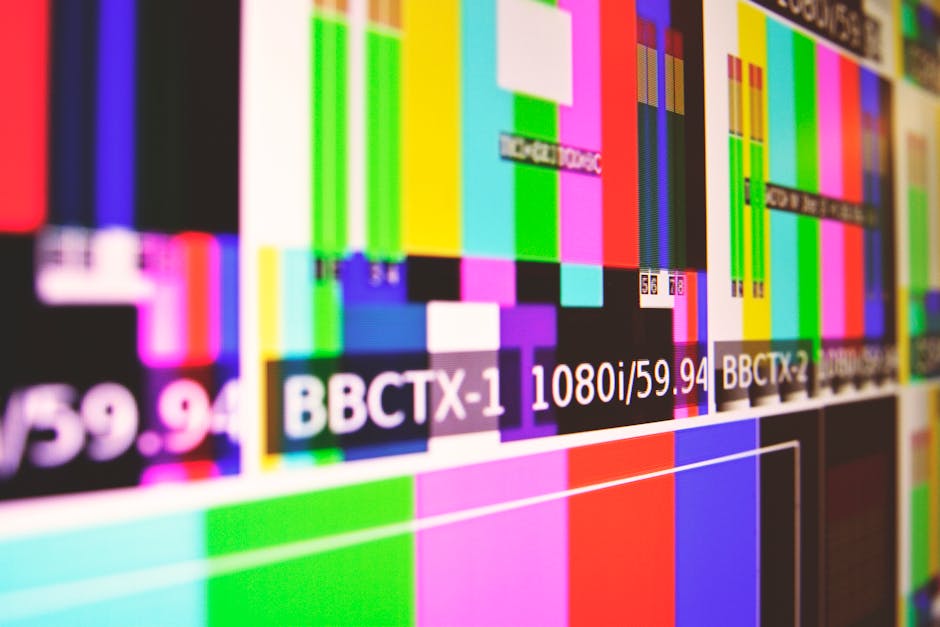
- Timing Alignment: Cameras are capturing the same moment simultaneously, so switching between shots is crisp and instantaneous.
- Production Switching Stability: The technical infrastructure can handle multiple feeds without dropping frames, introducing latency, or causing jitter.
- Visual Consistency: Lighting, color balance, and exposure settings are harmonized to avoid distracting shifts when cutting between angles.
What Happens When You Don’t Synchronize?
Imagine switching to a close-up that inexplicably lags 200 ms behind the wide shot. Suddenly, an on-screen gesture mismatches audio cues. Or worse, an online casino app latency Go to the website causes slow feed updates, turning a player’s experience sour. This breaks immersion and can quickly erode trust in the broadcast’s quality.
Industry Standards and Recommendations (SMPTE’s Role)
Want to know something interesting? the role of the society of motion picture and television engineers (smpte) is pivotal when it comes to defining synchronization protocols. Their standards, such as SMPTE 12M for timecode and SMPTE ST 2110 for https://varimail.com/articles/why-did-live-casinos-get-better-as-phones-got-faster/ professional media over IP, provide a technical language to achieve timing consistency across devices and networks.
Using industry-accepted timecode (like LTC or embedded LTC), labs and production houses synchronize cameras down to sub-frame precision, ensuring every frame is aligned with audio and other data streams.
Multi-Camera Studio Production: The Sync Challenge
Multi-camera studio production requires a complex orchestration of hardware and software:
- Genlock Signals: Hardware timebase synchronization ensuring that all cameras capture frames at precisely the same intervals.
- Timecode Integration: Embedding timecode data into each camera feed allows downstream devices (switchers, encoders) to reference exact frame positions.
- Switching Infrastructure: Production switchers or vision mixers depend on stable feed alignment to prevent glitches or dropped frames during live cuts.
- Monitoring: Tools from vendors like Hardware Times often stress-test these systems, simulating 24/7 operation to catch synchronization drift and hardware inconsistencies early.
A simple misstep in any of these elements causes out-of-sync video, reduced production switching stability, and ultimately a compromised broadcast.
Lighting and Visual Consistency
Synchronization isn’t only about time—it’s about what you see and feel. Lighting differences between camera setups can amplify the perception of sync issues. While two cameras may be perfectly timed, if one is underexposed and the other floods colors, the viewer experiences a jarring cut.
Consistency in visual output means:
- Uniform light temperature across all cameras
- Corrected color grading profiles applied on-camera or post-capture
- Balanced exposure and gain settings to minimize flicker and noise
MRQ (mrq.com) has emphasized workflow automation tools that help streamline matching camera color pipelines and reduce manual correction during live broadcasts, increasing both efficiency and quality.
Mobile-First Streaming Constraints
As consumption increasingly shifts toward mobile devices, broadcast engineers face new synchronization hurdles:
- Variable Network Conditions: Mobile data and WiFi fluctuate, causing inconsistent buffering and latency.
- Device Processing Limits: Phones have limited CPU/GPU power and memory compared to PCs or hardware decoders.
- Compression Trade-offs: To reduce bandwidth, encoding parameters need adjusting, but this can introduce delays or degrade synchronization.
Online casino apps and mobile websites must prioritize low latency synchronized feeds to maintain user engagement and trust—especially where real-time interactions (like live dealer tables) depend on accurate, synced video streams.
What works in a controlled studio is rarely plug-and-play on mobile. Techniques such as adaptive bitrate streaming, buffer management, and client-side synchronization logic become critical tools.
Encoding and Compression: Sync's Hidden Pitfalls
Encoding multiple camera feeds simultaneously complicates sync further:
- Different Codecs or Settings: Using distinct compression algorithms or differing bitrates leads to variable frame processing durations.
- Encoding Delays: Hardware encoders may introduce latency that drifts over time, requiring continuous monitoring.
- Packet Loss and Jitter: Network transport can cause packets to arrive late or out of order.
“What happens when this box overheats at hour 9?” is a question veteran engineers ask. Encoding hardware failures can cause temporal drift, skewing the camera feed sync and destabilizing production.
Combining feeds before encoding with a synchronized master clock and constant time stamping (SMPTE or PTP protocols) allows audio-video synchronization and production switching stability to be preserved downstream.
Best Practices for Achieving Reliable Camera Feed Sync
- Use a Common Timebase: Hardware genlock or Network Time Protocol (NTP) with high-precision extensions (PTP).
- Embed Timecode: Consistently apply SMPTE timecode across all feeds.
- Standardize Camera Settings: Match framerate, resolution, exposure, and color profiles at the source.
- Plan for Redundancy: Don’t trust a single encoder or network path—use redundant hardware and parallel streams.
- Monitor Constantly: Use tools tested by Hardware Times and integrate alerts for sync drift.
- Factor in Mobile Delivery: Optimize streaming protocols and implement buffering strategies suited for mobile constraints.
Conclusion
Camera feed sync is much more than a buzzword. It’s a fundamental challenge underpinning every successful multi-camera live production, influencing timing alignment, production switching stability, and visual consistency. The industry’s gold standards—supported by SMPTE guidelines, hardware validations from outlets like Hardware Times, and workflow innovations from MRQ—outline a clear path forward.
As streaming continues shifting toward mobile-first experiences, understanding and engineering around constraints like latency, compression, and network variability becomes non-negotiable. Whether your project involves online casino apps or complex multi-camera studio shoots, investing in precisely synchronized camera feeds separates polished productions from amateurish mishaps.